
Arendt’s Disappointments and Our New Beginnings
Citizenship and Democracy Reimagined
Inbunden, Engelska, 2025
1 509 kr
Beställningsvara. Skickas inom 7-10 vardagar. Fri frakt för medlemmar vid köp för minst 249 kr.
Hannah Arendt's recurring disenchantment with conventional political discourses, protocols and practices led her to redefine politics and recommend alternative public realms. Her repeated emphases on freedom, plurality (or pluralism), critique, agonistic exchanges, natality (or new beginnings), equality and the virtuosity of citizen-statesmen, contribute to a reimagination of democracy that bears on current crises facing political progressives. Arendt was ambiguous at times, yet invariably discerning, prescient and radical. Her adaptation of the pariah's perspective allowed her to proffer telling analyses of her times and, strangely, of ours.
Produktinformation
- Utgivningsdatum2025-04-30
- Mått156 x 234 x 14 mm
- Vikt490 g
- FormatInbunden
- SpråkEngelska
- Antal sidor224
- FörlagEdinburgh University Press
- ISBN9781399534086
Tillhör följande kategorier
Hoppa över listan






Mer från samma författare
On Agamben, Arendt, Christianity, and the Dark Arts of Civilization
Peter Iver Kaufman, Miles Hollingworth
Häftad, 2019
449 kr
On Agamben, Arendt, Christianity, and the Dark Arts of Civilization
Peter Iver Kaufman, Miles Hollingworth
Inbunden, 2019
1 369 kr
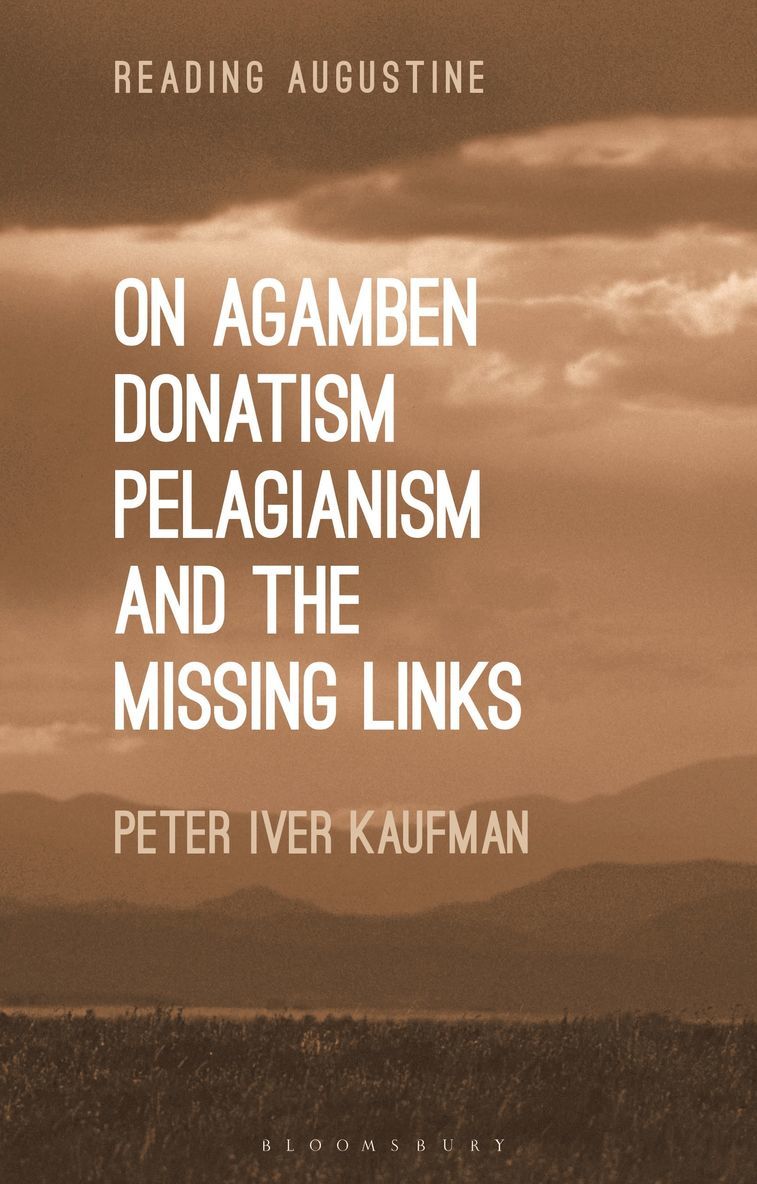
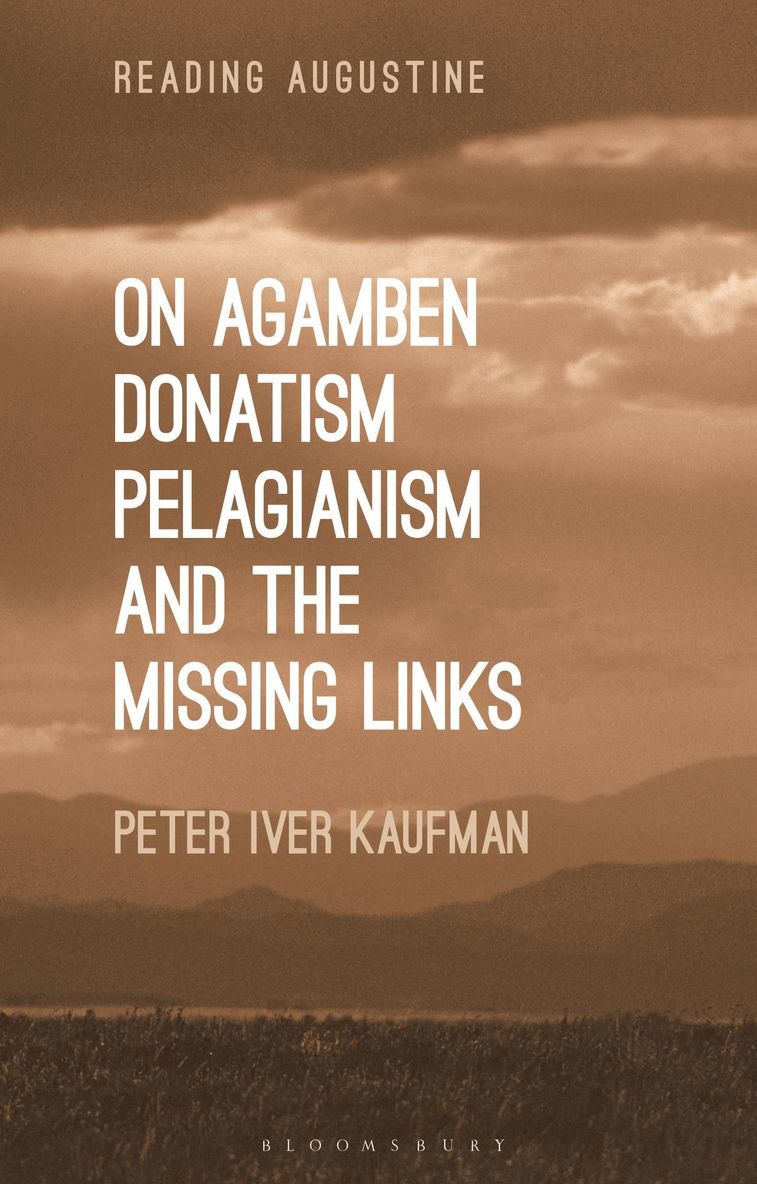
On Agamben, Donatism, Pelagianism, and the Missing Links
Peter Iver Kaufman, Miles Hollingworth
Häftad, 2021
479 kr
On Agamben, Donatism, Pelagianism, and the Missing Links
Peter Iver Kaufman, Miles Hollingworth
Inbunden, 2021
1 639 kr
Hoppa över listan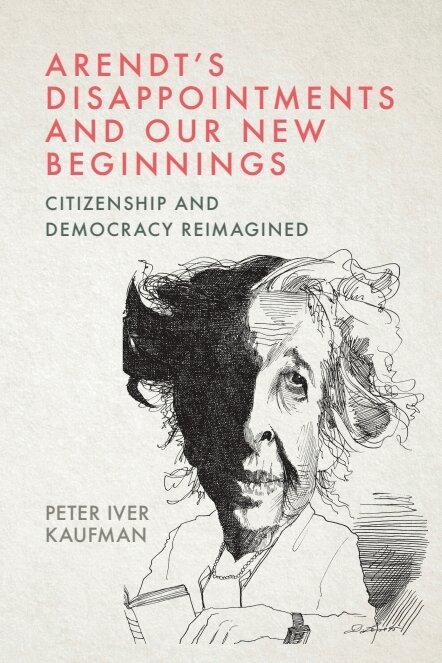


Du kanske också är intresserad av
On Agamben, Donatism, Pelagianism, and the Missing Links
Peter Iver Kaufman, Miles Hollingworth
Inbunden, 2021
1 639 kr
On Agamben, Arendt, Christianity, and the Dark Arts of Civilization
Peter Iver Kaufman, Miles Hollingworth
Häftad, 2019
449 kr