
Death Anxiety and Religious Belief
An Existential Psychology of Religion
Inbunden, Engelska, 2016
2 549 kr
Beställningsvara. Skickas inom 10-15 vardagar. Fri frakt för medlemmar vid köp för minst 249 kr.
Finns i fler format (1)
There are no atheists in foxholes; or so we hear. The thought that the fear of death motivates religious belief has been around since the earliest speculations about the origins of religion. There are hints of this idea in the ancient world, but the theory achieves prominence in the works of Enlightenment critics and Victorian theorists of religion, and has been further developed by contemporary cognitive scientists. Why do people believe in gods? Because they fear death.Yet despite the abiding appeal of this simple hypothesis, there has not been a systematic attempt to evaluate its central claims and the assumptions underlying them. Do human beings fear death? If so, who fears death more, religious or nonreligious people? Do reminders of our mortality really motivate religious belief? Do religious beliefs actually provide comfort against the inevitability of death? In Death Anxiety and Religious Belief, Jonathan Jong and Jamin Halberstadt begin to answer these questions, drawing on the extensive literature on the psychology of death anxiety and religious belief, from childhood to the point of death, as well as their own experimental research on conscious and unconscious fear and faith. In the course of their investigations, they consider the history of ideas about religion’s origins, challenges of psychological measurement, and the very nature of emotion and belief.
Produktinformation
- Utgivningsdatum2016-08-25
- Mått156 x 234 x 23 mm
- Vikt526 g
- FormatInbunden
- SpråkEngelska
- SerieScientific Studies of Religion: Inquiry and Explanation
- Antal sidor192
- FörlagBloomsbury Publishing PLC
- ISBN9781472571625
Tillhör följande kategorier
Hoppa över listan


Mer från samma serie
Philosophical Foundations of the Cognitive Science of Religion
Robert N. McCauley
Inbunden, 2017
2 369 kr
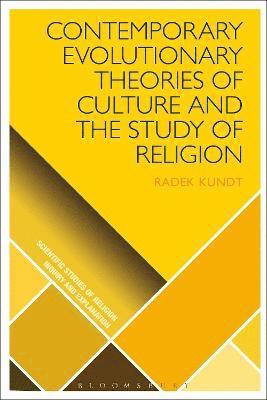
Contemporary Evolutionary Theories of Culture and the Study of Religion
Radek Kundt, Donald Wiebe
Häftad, 2017
719 kr
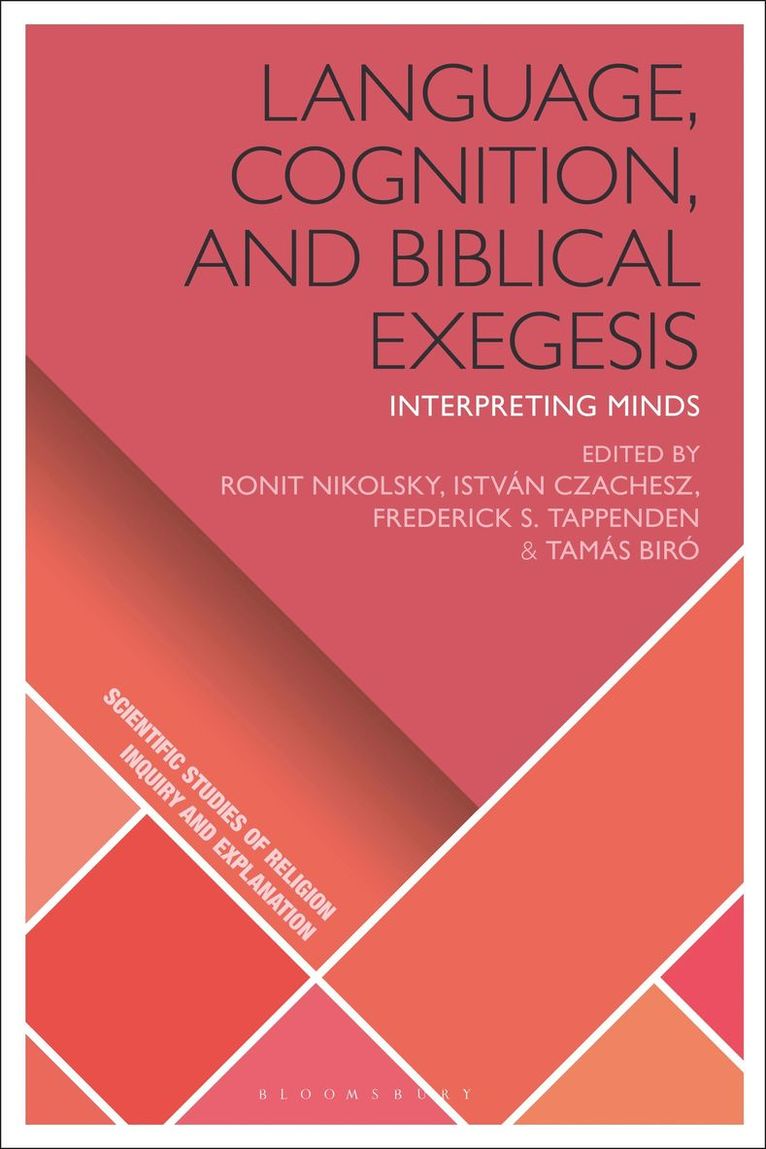
Language, Cognition, and Biblical Exegesis
Ronit Nikolsky, István Czachesz, Frederick S. Tappenden, Tamás Biró
Inbunden, 2019
2 189 kr
Hoppa över listan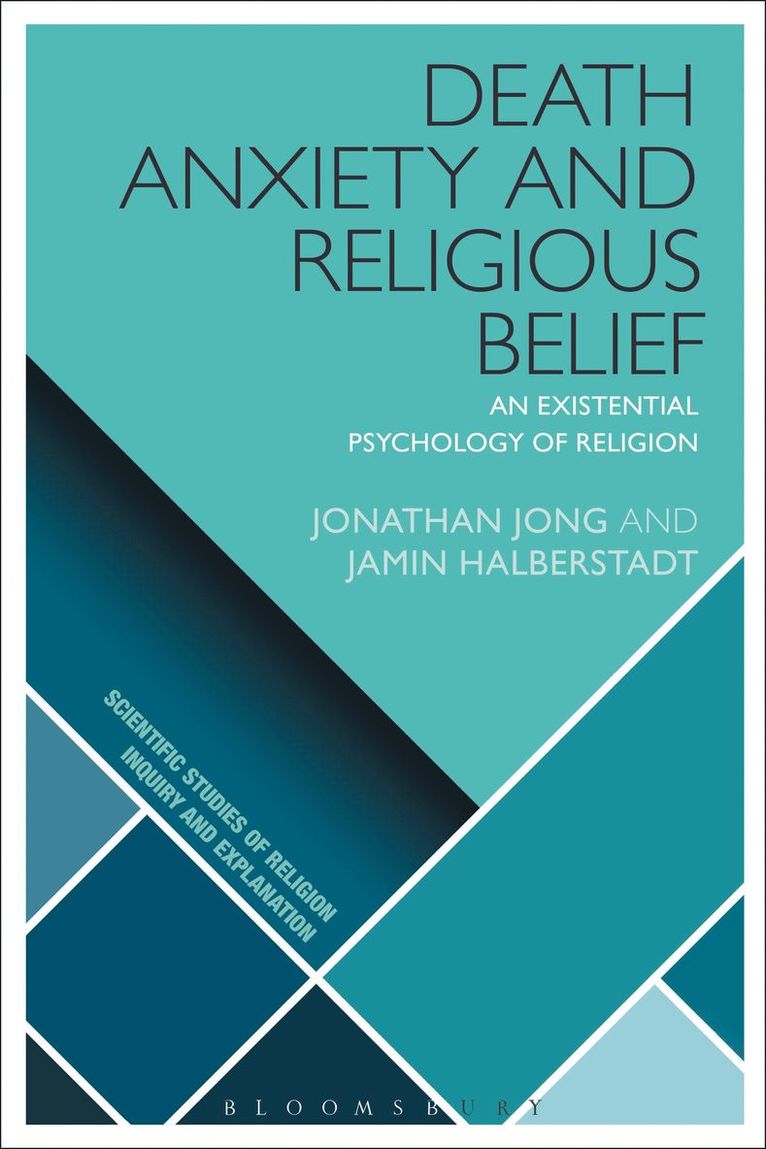








Du kanske också är intresserad av
- Nyhet
Del 3
- Nyhet
Del 4
- Nyhet
Del 6
- Nyhet
- Nyhet
Del 11
Del 1
Del 3
Del 7