
Del i serien New Horizons in Social Policy series
Gender, Family and Policy
International Perspectives
Inbunden, Engelska, 2025
2 539 kr
Beställningsvara. Skickas inom 5-8 vardagar. Fri frakt för medlemmar vid köp för minst 249 kr.
In this prescient book Sirin Sung brings together an array of expert contributors to address questions about gender equality and its relation to family, the workplace and society as a whole.Chapters examine the issues surrounding work–family balance across the globe, considering dual earning families, the division of domestic labour and the impact of family policies on the labour market. The heterogeneous outcomes of childcare policies on motherhood and fatherhood are studied across a range of settings and populations, dissecting the impact of policies such as state-funded childcare and paid parental leave. Contributing authors emphasise the importance of developing gender-equal policies to encourage men’s involvement in care, combined with a shift in organisational culture to allow men to take parental leave, highlighting the crucial need to eradicate gender disparity in childcare and policy use. Presenting a global perspective on gender norms and family policies, this book is invaluable for students and academics specialising in gender studies, family studies, social policy and sociology. Policymakers will also find the global comparison of family policies and gender beneficial.
Produktinformation
- Utgivningsdatum2025-02-14
- Mått156 x 234 x undefined mm
- FormatInbunden
- SpråkEngelska
- SerieNew Horizons in Social Policy series
- FörlagEdward Elgar Publishing Ltd
- ISBN9781802205541
Tillhör följande kategorier
Hoppa över listan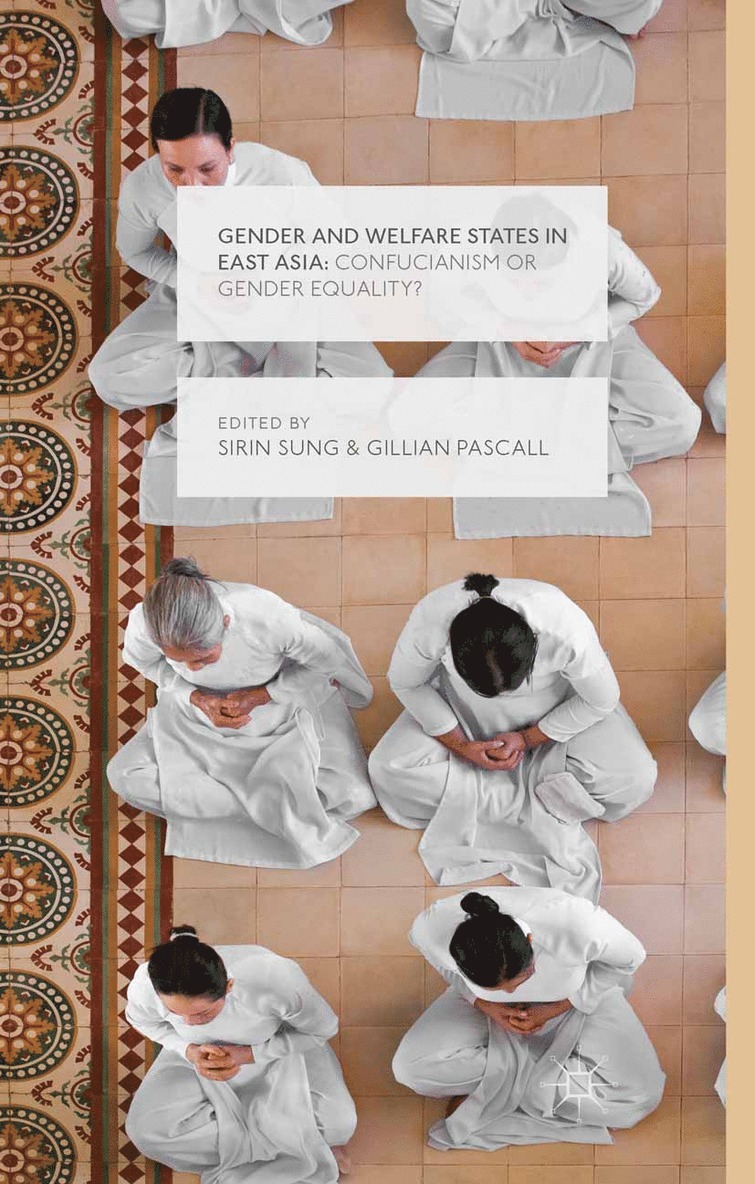


Du kanske också är intresserad av
Gender and Welfare States in East Asia
Sirin Sung, Gillian Pascall, Sirin Sung, Gillian Pascall
Inbunden, 2014
729 kr
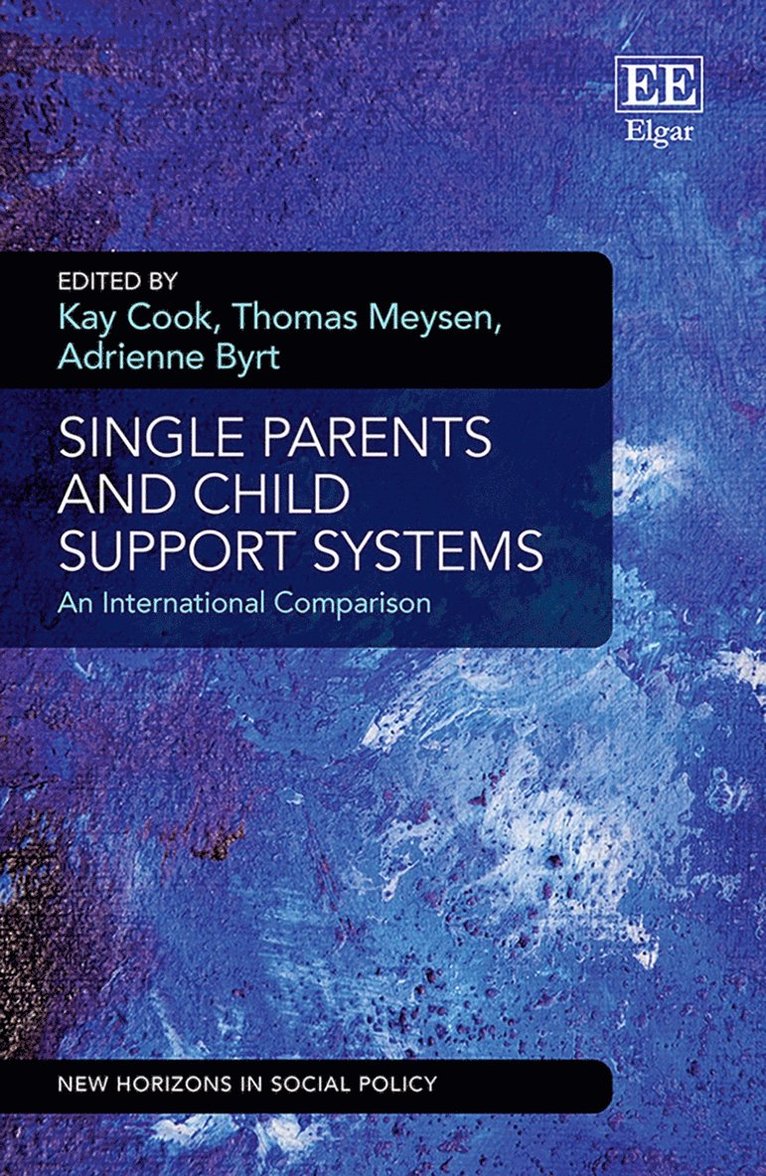
Single Parents and Child Support Systems
Kay Cook, Thomas Meysen, Adrienne Byrt
Inbunden, 2024
2 359 kr
Social Policy in the Middle East and North Africa
Rana Jawad, Nicola Jones, Mahmood Messkoub
Inbunden, 2019
2 559 kr